
The Evil Image
Published in 1981, The Evil Image is a gothic fiction and demon fiction story collection by Patricia L. Skarda, Nora Jaffe and Daniel Defoe. It takes readers to New England and Salem Village in the 1600s. Characters include Roderick Usher, Madeline Usher and Ethelred. It deals with anthologies, burial vaults, Catalepsy and dragons.
19 Open Library readers have it on their want-to-read list. It has been published in 3 editions.
At about 479 pages, most readers finish it in 8–9 hours.
Quick answers
Who wrote The Evil Image?
The Evil Image was written by Patricia L. Skarda, Nora Jaffe and Daniel Defoe and first published in 1981.
What genre is The Evil Image?
It is usually shelved as Gothic Fiction, Demons & Devils, Horror and Dragon Fiction.
How long is The Evil Image?
The median edition has 479 pages, about 8–9 hours of reading at 250 words per minute.
What books are similar to The Evil Image?
Readers who like it often enjoy Literature--second Edition, Short Stories and The Rinehart Book of Short Stories.
Books like The Evil Image

Literature--second Edition
James H. Pickering, Jeffrey D. Hoeper

Short Stories
Washington Irving, Nathaniel Hawthorne

The Rinehart Book of Short Stories
Clarence Lee Cline, C. L. Cline

Great American Short Stories from Hawthorne to Hemingway
Corinne Demas, Nathaniel Hawthorne

The Harbrace Anthology of Short Fiction -- Fourth Edition
Jon C. Stott, Raymond E. Jones

Great American Short Stories
Wallace Stegner, Mary Stegner
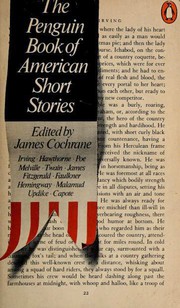
The Penguin Book of American Short Stories
Cochrane, James., J. Cochrane

Fiction 100
James H. Pickering, Fiódor Dostoievski