Steampunk is speculative fiction set in a world that runs on steam: brass and copper machinery, airships, clockwork automatons, analytical engines and goggles, usually against a Victorian or Edwardian backdrop. It asks a simple question — what if the age of steam had kept going? — and answers it with adventure, invention and a lot of style.
Where the word came from
The genre is older than its name. In 1987, novelist K. W. Jeter wrote a tongue-in-cheek letter to Locus magazine suggesting "steampunk" as a label for the gonzo Victorian fantasies he, Tim Powers (The Anubis Gates, 1983) and James Blaylock (Homunculus, 1986) were writing — a play on the then-fashionable "cyberpunk". The joke stuck. In 1990 William Gibson and Bruce Sterling's The Difference Engine, set in a Britain transformed by Charles Babbage's computing machines, gave the genre its manifesto.
The Victorian originals
Steampunk writers borrow freely from the 19th century's own science fiction — the "scientific romances" of Jules Verne and H. G. Wells. These books are in the public domain, so you can read them free today, and many have LibriVox audiobook versions.
- FREE🎧
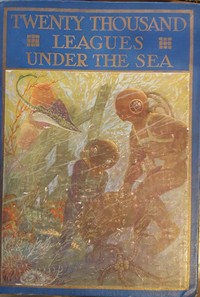
Twenty Thousand Leagues Under the Seas: An Underwater Tour of the World
Jules Verne
- FREE🎧

The Time Machine
H. G. Wells
- FREE🎧

The war of the worlds
H. G. Wells
- FREE🎧
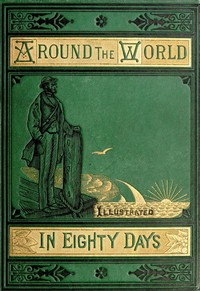
Around the World in Eighty Days
Jules Verne
- FREE🎧

A Journey to the Centre of the Earth
Jules Verne
- FREE🎧

The Invisible Man
H. G. Wells
- FREE🎧

Frankenstein; or, The Modern Prometheus
Mary Shelley
- FREE
Robur the Conqueror
Jules Verne
What makes a book steampunk?
- Technology as spectacle. Machines are visible, mechanical and beautiful — gears you can see turning, not microchips.
- A reimagined past. Usually an alternate 19th century, though steampunk has travelled to the Wild West, Meiji Japan, Mughal India and invented secondary worlds.
- Adventure and invention. Heists, expeditions, mad scientists, sky pirates and eccentric inventors.
- A critical edge. The best steampunk remembers that the Victorian era was also one of empire, child labour and rigid class and gender rules — and lets its characters push back.
Sub-genres worth knowing
- Gaslamp fantasy keeps the period setting but swaps machines for magic, ghosts and fairies.
- Clockpunk looks back further, to Renaissance clockwork and da Vinci-style invention.
- Dieselpunk moves the aesthetic into the 1920s–1940s: zeppelins, art deco and pulp.
- Silkpunk, a term coined by Ken Liu, draws on East Asian antiquity and technology.
- Weird West blends steampunk machinery with frontier westerns.
- Steampunk
- Gaslamp & Victorian Fantasy
- Airships & Sky Pirates
- Clockwork & Automata
- Alternate History
- Victorian-Era Fiction
Steampunk and romance
Steampunk has a natural home in romance — corsets and cravats, sharp banter, airship captains — and in queer fiction, where a reimagined 19th century can make room for characters the real one would have punished. Gail Carriger's Soulless (2009) blended steampunk with paranormal romance and comedy; small presses have published hundreds of M/M and sapphic steampunk romances since.
Where to start
The most-read steampunk novels in our catalogue, ranked by how many readers have shelved them on Open Library:

Altered Carbon
Richard K. Morgan

The Windup Girl
Paolo Bacigalupi

The Austere Academy
Lemony Snicket, Brett Helquist

The Slippery Slope
Lemony Snicket, Brett Helquist

The Hostile Hospital
Lemony Snicket, Brett Helquist

The Difference Engine
William Gibson, Bruce Sterling

The Goblin Emperor
Sarah Monette

The Looking Glass Wars
Frank Beddor

Soulless
Gail Carriger

Mortal Engines
Philip Reeve
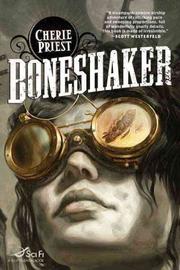
Boneshaker
Cherie Priest

Clockwork Prince
Cassandra Clare
If you like the atmosphere more than the machinery, try gaslamp fantasy; if you want the romance front and centre, browse paranormal romance and M/M romance.